
- January 22, 2026
- Our Blog
- gdwill
- 0 Comments
For young children, learning doesn’t always begin with textbooks, worksheets, or classroom lessons. Sometimes, the most meaningful learning happens while building with blocks, telling stories, drawing pictures, or playing with friends.
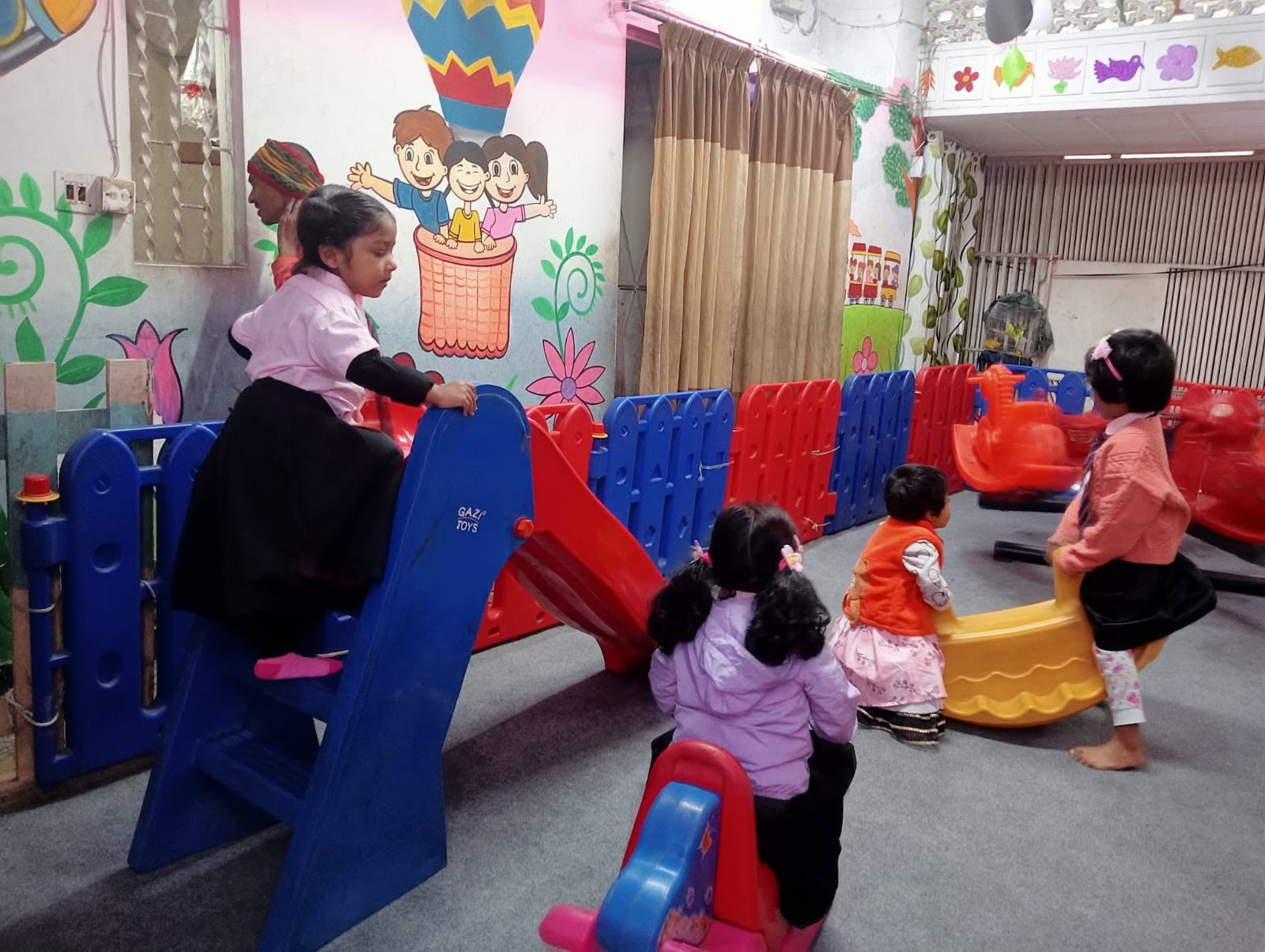
Play is much more than entertainment. It is a natural way for children to explore their surroundings, understand new ideas, and develop important skills that prepare them for school and everyday life.
1. Play Encourages Curiosity and Creativity
Children are naturally curious about the world around them. When they engage in imaginative activities, puzzles, and creative games, they learn to ask questions, experiment, and discover solutions independently.
These experiences encourage creative thinking and help children become more confident learners.
2. It Builds Communication and Social Skills
Playing with classmates teaches children how to share, cooperate, listen, and express their feelings.
Group activities also introduce important social experiences, such as taking turns, respecting others, and resolving small disagreements. These early interactions help children develop friendships and feel comfortable in a classroom environment.
3. Play Supports Physical Development
Activities such as drawing, painting, running, jumping, and building help children strengthen their fine and gross motor skills.
These abilities support everyday tasks, including writing, holding pencils, maintaining balance, and participating in physical activities.
4. It Makes Learning More Engaging
Young children often understand new concepts more easily when they can connect them to familiar experiences.
Counting colorful objects, identifying letters through games, and learning shapes through puzzles can make early academic lessons more enjoyable and meaningful.
5. Play Helps Children Build Confidence
When children try something new, make mistakes, and find their own solutions, they develop confidence and independence.
A supportive learning environment gives them the freedom to explore without feeling afraid of making mistakes.
Supporting Learning Beyond the Classroom
Parents can encourage play-based learning at home through storytelling, simple puzzles, drawing, building blocks, and outdoor activities.
At Goodwill School, we believe early education should encourage curiosity, creativity, and confidence alongside academic development. Providing children with opportunities to explore and participate helps create a positive foundation for their future learning.
Because sometimes, the most important lessons begin with a little imagination.

Leave A Comment